The Clock Is Ticking, But It’s Not Only About The Deadline In 2027 From SAP
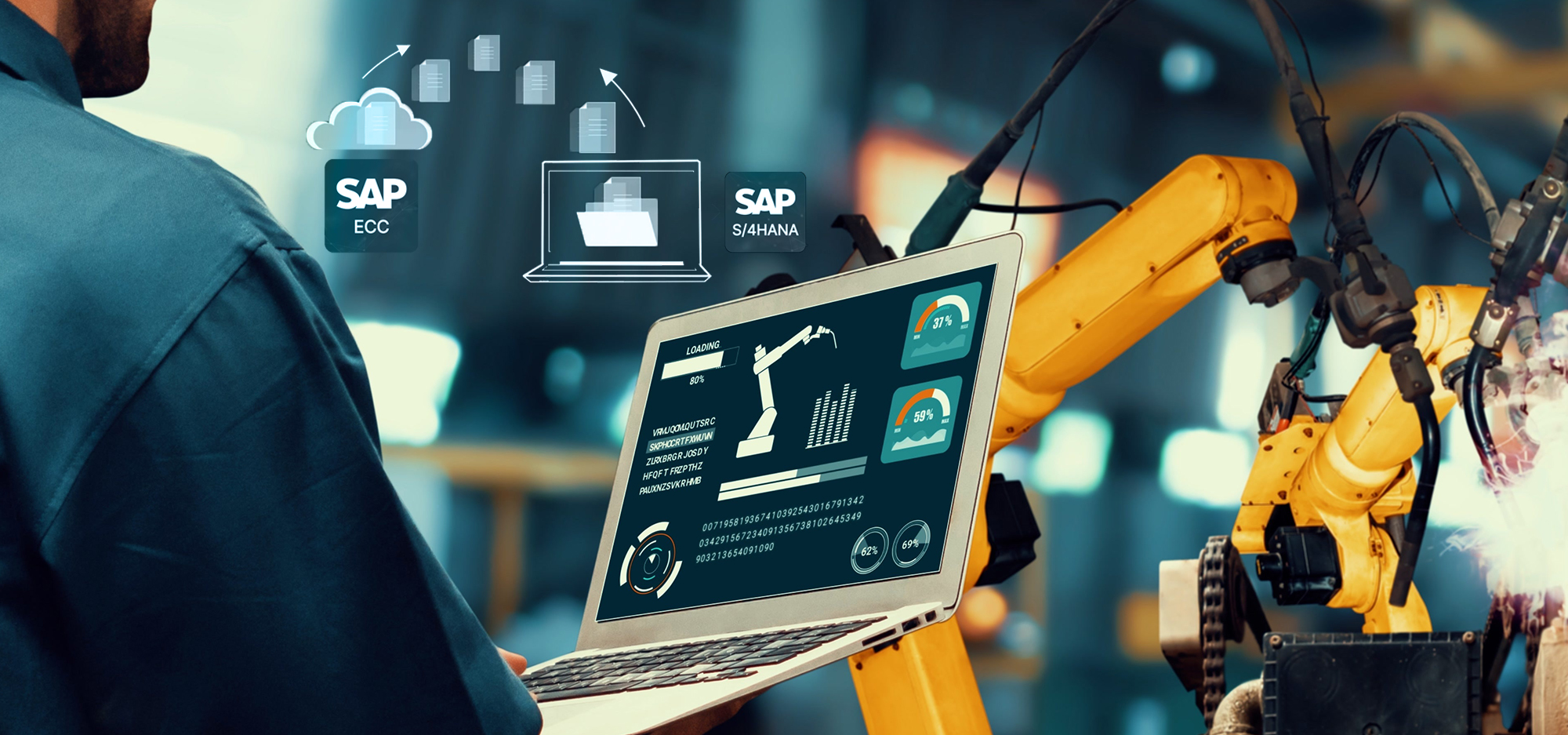
The manufacturing industry stands at an important junction. This is no longer just talk about SAP ending its main support services for ECC. This is already a reality. But the issue is not whether or not you should move to another platform. It's all about how.
At ChainSys, we've guided manufacturers across discrete, process, and hybrid production environments through some of the most complex SAP transformation programs in the industry. One pattern emerges every single time: companies that delay the Greenfield vs Brownfield decision end up making it under pressure, and that's when costly mistakes happen. This blog gives you the unfiltered, practitioner-grade intelligence to make that decision with confidence.
Why SAP S/4HANA Matters for Manufacturing
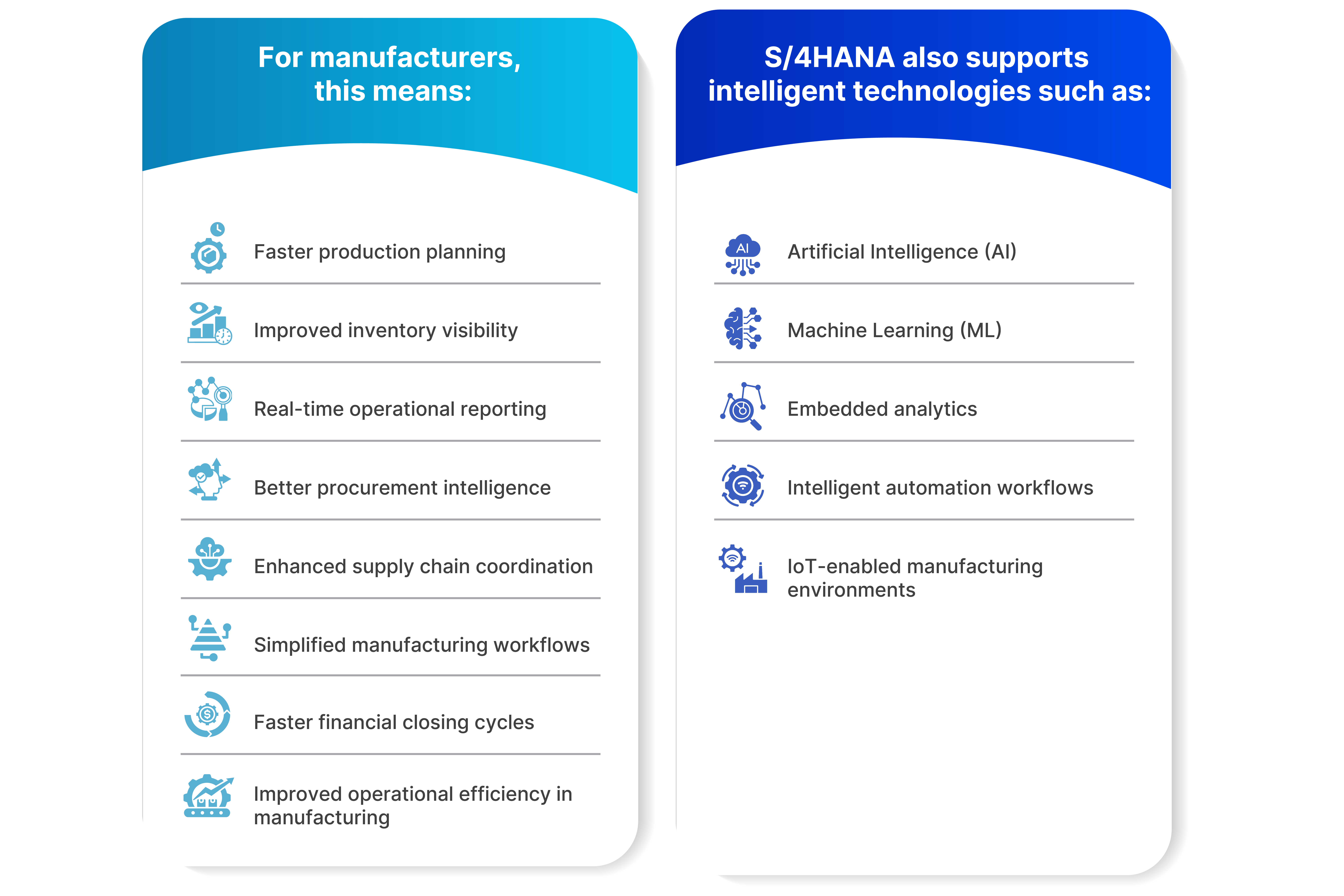
Modern manufacturers require ERP software that can effectively support continuous operations improvement and real-time decision-making. This is where SAP S/4HANA migration for manufacturing creates significant business value. Unlike traditional ERP platforms, S/4HANA is built on an in-memory architecture designed to process large volumes of operational and transactional data in real time.
Understanding the Greenfield vs Brownfield SAP Migration Approach
Once manufacturers decide to modernize SAP ECC, the next major challenge is selecting the right migration strategy. This is where the Greenfield vs Brownfield SAP migration discussion becomes critical. Both migration approaches support SAP ECC modernization, but each follows a very different path toward ERP transformation.
The right choice depends on:
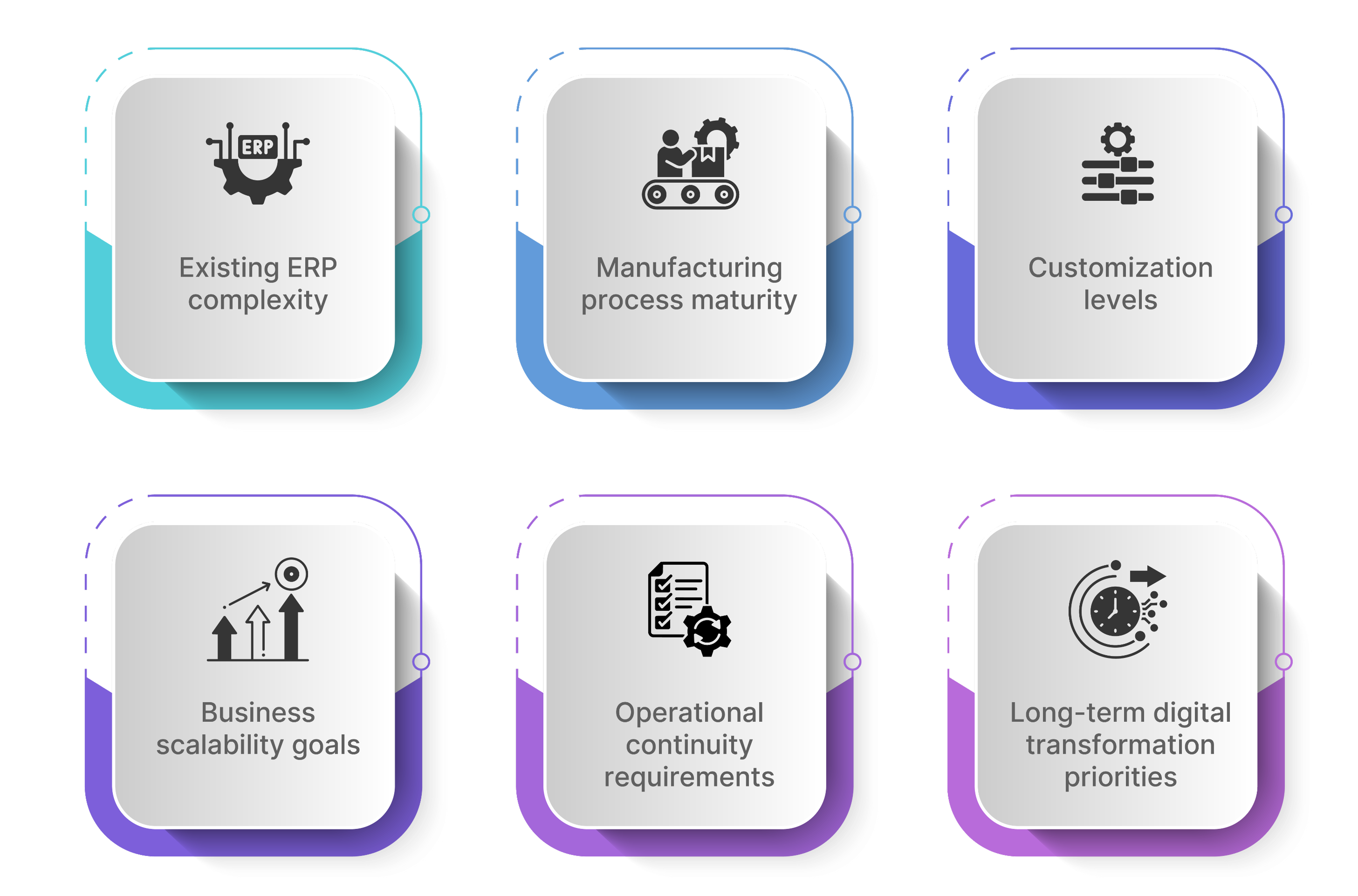
Greenfield SAP Migration: Rebuilding ERP for Modern Manufacturing
Greenfield migration involves implementing an entirely new S/4HANA environment from scratch. Instead of carrying existing ECC configurations and workflows into the new platform, manufacturers redesign operations using modern SAP standards and best practices. This approach is commonly selected by organizations pursuing large-scale ERP transformation and operational standardization.
Benefits of Greenfield Migration in Manufacturing
1. Workflows Standardization: Manufacturers can optimize their processes and achieve standardized workflows within plants, warehouses, procurement processes, and other supply chain processes.
2. Simplified ERP Implementation: With Greenfield, companies are able to remove legacy processes that become redundant or are no longer used due to ECC system usage.
3. Enhanced Manufacturing Process Optimization: Companies can streamline their processes to incorporate automatic process execution, visibility, and intelligent manufacturing solutions.
4. Increased ERP Scalability: The transition to cloud-based ERP software for manufacturing operations makes Greenfield more scalable as it expands or grows.
5. More Effective Digital Transformation: The transition to a Greenfield implementation provides a better platform for achieving digital transformation, such as AI analytics and predictive manufacturing.
Brownfield SAP Migration: Modernizing Existing ERP Operations
Brownfield migration follows a system conversion strategy where existing SAP ECC environments are converted into S/4HANA while preserving current business processes, configurations, and operational structures. Rather than rebuilding operations entirely, manufacturers modernize the existing ERP foundation. Brownfield migration is commonly selected by organizations looking for faster modernization with lower operational disruption.
Benefits of Brownfield Migration in Manufacturing
1. Faster ERP Migration: Brownfield deployments tend to be fast because businesses utilize their current operational frameworks.
2. Minimized Operational Impact: Businesses can carry out operations using the same frameworks while enhancing their ERP functionalities.
3. Minimal Training Costs: End users continue operating through the same operational framework, making the process much simpler.
4. Lesser Risk: The ease of continuing production would increase because there wouldn’t be any complete overhaul of the business processes.
5. Faster Time-to-Value: Organizations can begin leveraging S/4HANA capabilities more quickly.
Quick Decision Guide for Manufacturers
How ChainSys Helps Manufacturers Accelerate SAP S/4HANA Migration
SAP migrations need more than just technical implementation know-how. Manufacturers must have an expert partner who comprehends complexity, production environment, supply chain dependencies, and other aspects of large-scale ERP transformation. ChainSys assists manufacturers in upgrading their ERP systems with targeted SAP migrations tailored to manufacturing business objectives.
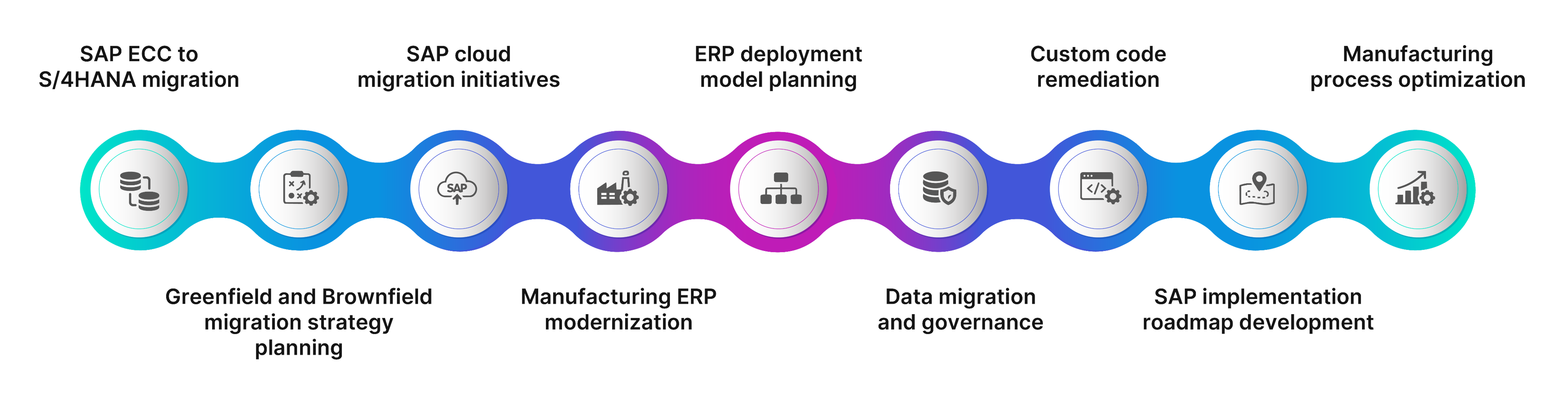
ChainSys supports manufacturers across:
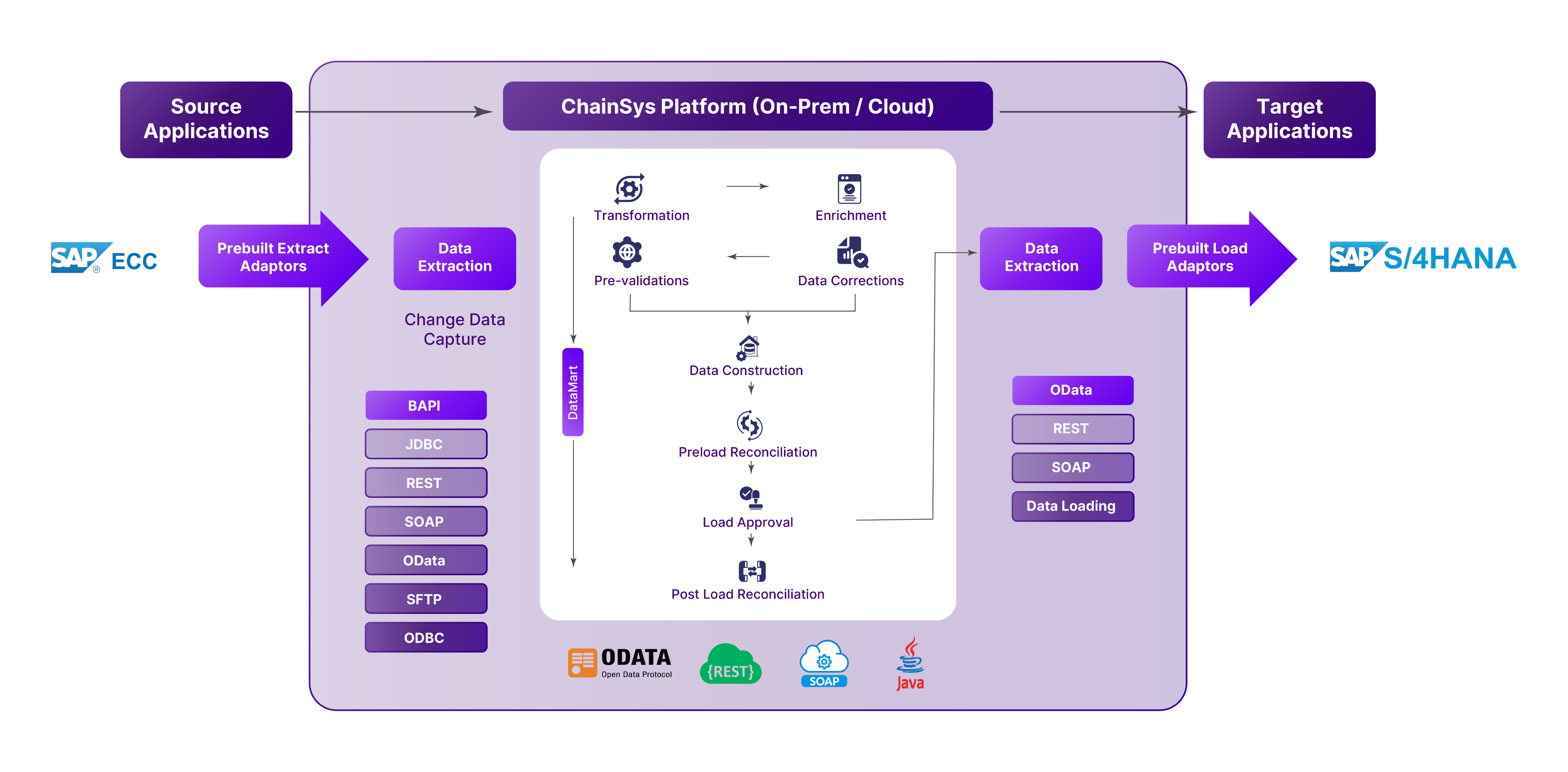
ChainSys's SAP ECC to SAP S/4HANA Migration Framework
Final Thoughts
Whether manufacturers choose Greenfield or Brownfield migration, the real goal is the same , building a faster, more intelligent, and scalable manufacturing operation with SAP S/4HANA. That journey requires more than technical migration expertise. It requires a partner that understands manufacturing operations, ERP complexity, data transformation, and operational continuity.
ChainSys helps manufacturers accelerate SAP ECC to S/4HANA migration through its manufacturing-focused consulting approach and the ChainSys Smart Data Platform, enabling:
✅ Faster and more accurate data migration
✅ Simplified custom code remediation
✅ Improved ERP data quality and governance
✅ Reduced migration risk and downtime
✅ Accelerated Greenfield and Brownfield transformation initiatives
✅ Scalable cloud-ready manufacturing ERP environments
Ready to Move Beyond Legacy SAP ECC?
Connect with ChainSys to build the right SAP S/4HANA migration strategy for your manufacturing enterprise.
Frequently Asked Questions
Q: Is SAP S/4HANA mandatory, or can we continue with ECC?
A: Mainstream support for SAP ECC will expire by 2027; extended support until 2030 comes at an extra cost. Continuing ECC only delays modernization.
Q: How long does an SAP ECC to S/4HANA migration take?
A: For mid-sized Brownfield migrations, it takes 9-14 months, whereas Greenfield projects will take between 15-24 months. Global transformation efforts for larger organizations could take more than 24 months. The use of ChainSys Smart Data Platform reduces project time through pre-defined templates.
Q: What is the expected ROI timeline for S/4HANA migration?
A: The majority of companies achieve ROI within 18-36 months because of the quicker planning process, real-time reporting capabilities, enhanced business visibility, and less downtime.